Tags: Fire Alarm System Maintenance Schedule · Smoke Detector Installation Hyderabad · Fire Alarm System Dealers Hyderabad · Fire Fighting System AMC Hyderabad · NFPA 72 Compliance
Fire alarm systems are critical life safety devices that require regular maintenance to function properly during emergencies. A well-maintained fire alarm system can mean the difference between early detection and catastrophic loss. This comprehensive guide covers everything you need to know about fire alarm maintenance.
Why Fire Alarm Maintenance is Critical
Fire alarm systems are complex networks of detectors, control panels, notification devices, and power supplies. Like any electronic system, they require regular inspection and maintenance to ensure reliability. Neglected systems may fail to detect fires, produce false alarms, or malfunction during critical moments.
Regular maintenance also ensures compliance with fire safety codes and insurance requirements. Most jurisdictions mandate annual inspections by certified professionals, and insurance companies often require proof of regular maintenance to maintain coverage.
Monthly Visual Inspections
Building owners and facility managers should conduct monthly visual inspections to identify obvious issues:
Control Panel Checks
- Verify the panel displays normal operating status with no trouble indicators
- Check that all indicator lights are functioning correctly
- Ensure the panel is free from dust and debris
- Verify that the panel enclosure is secure and undamaged
- Check that all labels and zone identifications are legible
- Inspect battery backup indicators for proper charge status
Device Inspections
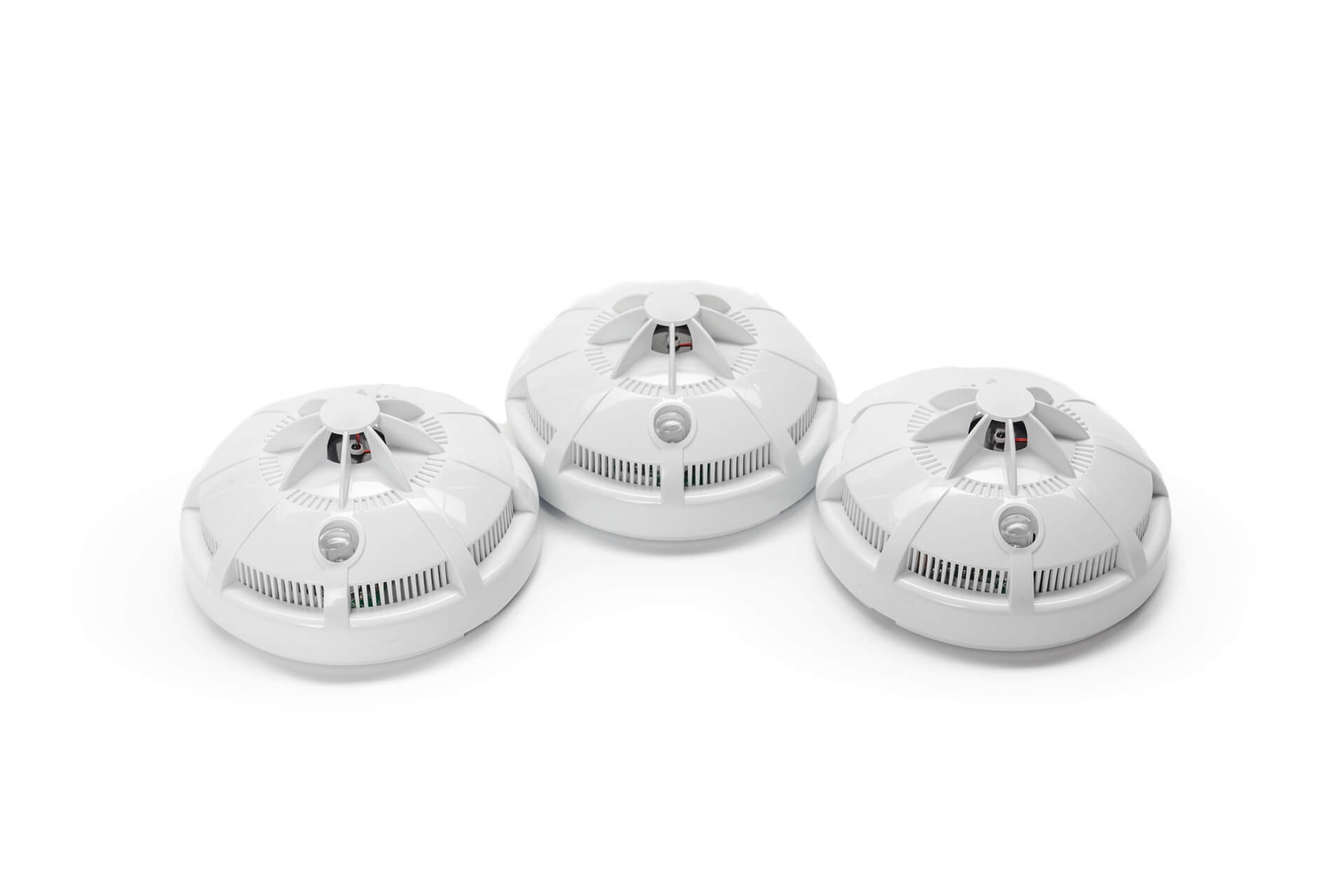
- Visually inspect all smoke detectors for damage or obstruction
- Check that manual pull stations are accessible and unobstructed
- Verify that notification devices (horns, strobes) are visible and undamaged
- Ensure no devices have been painted over or covered
- Check for any missing or damaged device covers
- Verify proper signage near manual pull stations
Quarterly Testing Requirements
Every three months, conduct more thorough testing of system components:
Functional Testing
- Test at least one detector in each zone to verify alarm response
- Activate manual pull stations to ensure proper system response
- Verify that all notification devices activate during alarm conditions
- Test the audibility and visibility of alarms throughout the building
- Check that alarm signals are transmitted to monitoring stations
- Verify proper operation of any integrated systems (HVAC, doors, elevators)
Battery Testing
- Test battery voltage under load conditions
- Verify battery backup duration meets code requirements
- Check battery connections for corrosion or looseness
- Document battery age and replacement dates
- Test automatic transfer to battery power during AC failure
Annual Professional Inspections
Certified fire alarm technicians must conduct comprehensive annual inspections covering all system components:
Detector Testing
- Test every smoke detector using approved test equipment or aerosol
- Verify proper sensitivity levels for each detector
- Clean detectors as needed to remove dust and contamination
- Test heat detectors using heat sources or test equipment
- Verify proper operation of duct detectors and air sampling systems
- Document response times and sensitivity readings
System Component Testing
- Test all manual pull stations for proper operation
- Verify notification device sound levels meet code requirements
- Test strobe synchronization and candela ratings
- Inspect and test all control panel functions
- Verify proper operation of all system interfaces
- Test emergency power supply and battery backup
- Inspect all wiring for damage or deterioration
Documentation Requirements
- Complete detailed inspection reports for all tests performed
- Document any deficiencies found and corrective actions taken
- Update system drawings to reflect any changes
- Maintain records of all maintenance activities
- Provide copies to building owners and authorities having jurisdiction
Common Fire Alarm Issues
Understanding common problems helps identify issues early:
False Alarms
False alarms are frustrating and can lead to complacency. Common causes include:
- Dust or insect contamination in detectors
- Cooking smoke or steam near detectors
- Improper detector placement or sensitivity settings
- Electrical interference or wiring issues
- Aging or malfunctioning detectors
System Troubles
Trouble conditions indicate system problems requiring attention:
- Ground faults indicating wiring problems
- Low battery voltage requiring replacement
- Communication failures with monitoring stations
- Device failures or missing devices
- Power supply issues
Detector Replacement Guidelines
Fire alarm detectors have limited lifespans and require periodic replacement:
- Smoke detectors should be replaced every 10 years
- Heat detectors typically last 15-20 years
- Carbon monoxide detectors need replacement every 5-7 years
- Replace any detector showing signs of damage or malfunction
- Consider upgrading to newer technology during replacement
- Maintain records of detector installation and replacement dates
Maintenance Best Practices
Follow these best practices to maintain optimal system performance:
Preventive Measures
- Keep detectors clean and free from dust accumulation
- Protect devices during construction or renovation activities
- Avoid painting over or obstructing any system components
- Maintain proper environmental conditions (temperature, humidity)
- Address any system troubles or alarms promptly
- Keep spare parts and batteries on hand for quick repairs
Professional Service
- Use only certified fire alarm technicians for maintenance
- Establish a maintenance contract with a reputable service provider
- Ensure technicians are familiar with your specific system
- Request detailed reports after each service visit
- Address recommended repairs or upgrades promptly
- Maintain open communication with your service provider
Compliance and Record Keeping
Proper documentation is essential for compliance and liability protection:
- Maintain a comprehensive maintenance log for the system
- Keep records of all inspections, tests, and repairs
- Document any system modifications or upgrades
- Retain records for the required retention period (typically 5 years)
- Make records available to authorities during inspections
- Provide documentation to insurance companies as required
Cost Considerations
While maintenance requires investment, it's far less expensive than system failure or fire damage:
- Annual maintenance contracts typically cost less than emergency repairs
- Preventive maintenance extends equipment lifespan
- Regular service reduces false alarms and associated costs
- Proper maintenance may reduce insurance premiums
- Compliance avoids fines and legal liability
- Early detection of issues prevents costly emergency repairs
Conclusion
Fire alarm system maintenance is not optional—it's a critical responsibility that protects lives and property. Regular inspections, testing, and professional service ensure your system functions reliably when needed most. By following this maintenance checklist and working with qualified professionals, you can maintain a fire alarm system that provides years of dependable service.
Don't wait for a system failure to address maintenance needs. Establish a regular maintenance schedule today and ensure your fire alarm system is always ready to protect your building and its occupants.
Need Professional Fire Alarm Maintenance?
Our certified technicians provide comprehensive maintenance services
Schedule Service